
Humble Leaders and Other (Oxy)morons

In the summer of 1941, Prime Minister Winston Churchill summoned Sergeant Ward, a New Zealand recipient of the Victoria Cross, to congratulate him on his exploits. The fearless pilot was struck dumb with awe by the experience and was unable to answer the Prime Minister’s questions. Churchill regarded the reluctant hero with some compassion. “You must feel very humble and awkward in my presence,” he said. “Yes, sir,” managed Ward. “Then you can imagine how humble and awkward I feel in yours,” said Churchill. (Story borrowed from here.)
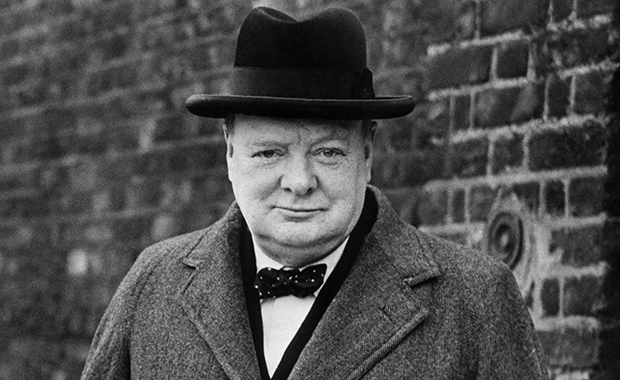 This story may not be accurate, but it is a fact that Sir(!) Winston Leonard Spencer-Churchill, known to the entire world as an accomplished statesman and charismatic leader, was a humble person indeed. But I doubt that he had ever referred to himself using those exact words.
In recent years, more and more managers call themselves “leaders” (better still: “senior leaders”) and their daily activities – “leading.” Without exception, those “leaders” proclaim their management style as “servant leadership,” and emphasize their remarkable “humbleness.”
Do a search for these buzzwords on LinkedIn – you will be impressed: although describing one’s virtues in writing should be even more awkward than proclaiming them orally, there are thousands of “accomplished leaders” and quite a few of the “humble” ones. The cherry on the LinkedIn pie is a number of individuals describing themselves as “charismatic leaders.”
In view of this new leadership practice, could you help me answering these two questions:
1. Can a truly humble person proclaim oneself “humble”?
2. Is it appropriate for anybody to refer to oneself as a “leader” at work?
Please, share your thoughts and forward the questions to your contacts and colleagues who might know the answer first-hand.
To be the first to know, follow COLLECTIVER on these social networks:


Leave a Reply